AI Workforce Automation: Tools Strategies and ROI for Enterprises
Businesses are increasingly using AI systems from to improve efficiency, reduce manual workload, and support customer interactions 24/7.
Companies of all sizes are looking for practical ways to do more with less, and that is where AI Workforce Automation is making a real difference. From handling repetitive tasks to improving response times for customers, AI tools are helping teams save time, stay organized, and focus on higher-value work. With the right setup, these systems can support day-to-day operations without adding extra strain to your staff.
offers AI systems designed to fit into modern workflows and support businesses around the clock. Whether a company needs help managing customer inquiries, organizing internal tasks, or reducing manual data entry, AI can step in and keep things moving. The result is often a smoother experience for both employees and customers.
Why businesses are adopting AI Workforce Automation
Many organizations start exploring AI because their teams are overloaded with repetitive work. Simple tasks may not seem like a big deal at first, but they add up quickly. When employees spend too much time on routine work, productivity drops and important projects get delayed. AI Workforce Automation helps ease that pressure by taking care of time-consuming processes in a reliable, consistent way.
Another major reason for adoption is the need for faster customer support. People expect quick answers, and they do not always wait for business hours. AI systems can provide instant responses, route requests, and assist users 24/7, which improves service quality and builds trust.
Common reasons companies get started
- Reduce repetitive admin work
- Improve response times for customers
- Support employees with everyday tasks
- Lower the chances of human error
- Keep service available outside regular business hours
How AI systems improve efficiency
Efficiency is one of the biggest benefits of AI Workforce Automation. Instead of requiring employees to manually sort requests, update records, or answer the same questions repeatedly, AI can handle those tasks automatically. This helps teams move faster and stay focused on work that actually needs a human touch.
For example, AI can review incoming messages, identify the type of request, and send it to the right place. It can also assist with scheduling, generate quick summaries, and help keep records updated. These small improvements may not seem dramatic on their own, but together they can create a noticeable boost in daily performance.
Tasks AI can automate
- Customer question routing
- Appointment scheduling
- Data entry and record updates
- Lead qualification
- Internal reminders and follow-ups
- Basic reporting and status tracking
Reducing manual workload without losing control
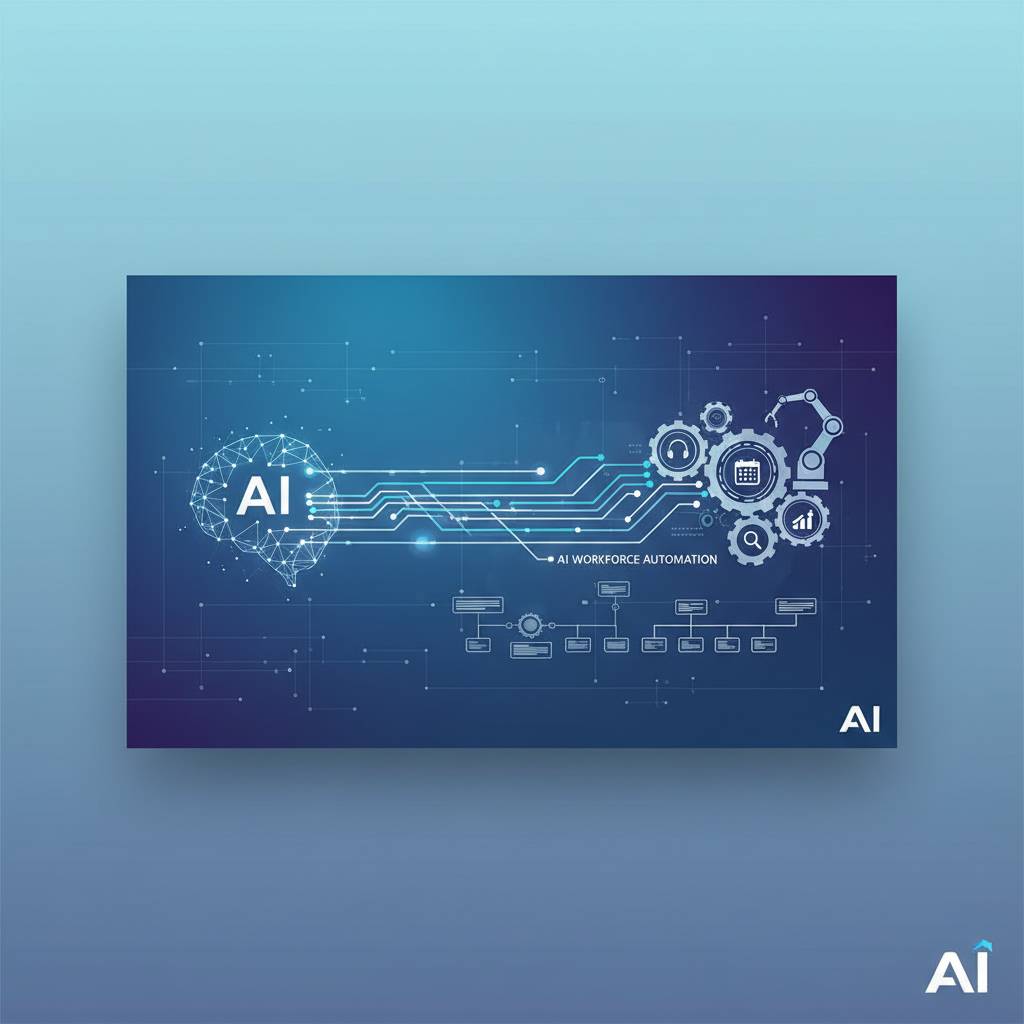 A common concern about automation is whether it removes too much control from the team. In reality, the best AI systems are designed to support people, not replace them entirely. Businesses can use AI to manage repetitive work while keeping humans in charge of important decisions, exceptions, and customer relationships.
This balance matters because not every task should be fully automated. A good AI workflow can hand off complex or sensitive issues to staff members while still taking care of the simpler steps. That means employees can spend more time solving problems, building relationships, and making strategic decisions.
Where human oversight still matters
- Handling sensitive customer situations
- Approving important business decisions
- Reviewing unusual or complex cases
- Managing brand voice and messaging
- Checking quality on automated outputs
Supporting customer interactions 24/7
One of the most valuable uses of AI Workforce Automation is customer support. Customers often need help at odd hours, on weekends, or during peak times when live staff are busy. AI systems can step in immediately, answer common questions, and guide users toward the next step.
This kind of always-on support can make a big difference in customer satisfaction. Instead of waiting for business hours or sitting in a queue, users get faster help and a better overall experience. For businesses, that can mean fewer missed opportunities and stronger customer loyalty.
Ways AI helps with customer support
- Answers frequently asked questions instantly
- Provides 24/7 availability
- Collects customer details before human handoff
- Helps customers track orders or requests
- Directs users to the right support channel
Practical benefits for different departments
AI Workforce Automation is not just for customer service teams. It can also help sales, operations, HR, and administration work more efficiently. Because many business processes involve repeated steps, AI can be useful in almost any department that handles a steady flow of information.
In sales, AI can help qualify leads and send follow-up reminders. In HR, it can assist with scheduling interviews and organizing applicant information. In operations, it can keep workflows moving and flag missing details before delays happen. The flexibility is part of what makes AI so appealing.
Department-level examples
- Sales: Lead sorting, follow-up prompts, and meeting scheduling
- HR: Applicant screening support and interview coordination
- Operations: Task routing, reporting, and workflow tracking
- Support: Ticket triage and FAQ responses
- Administration: Document organization and data cleanup
What to look for in an AI solution
Not every AI platform is built the same, so businesses should look for tools that match their needs and existing processes. A strong solution should be easy to use, reliable, and flexible enough to grow with the company. It should also integrate smoothly with the systems teams already use.
When evaluating options from , it helps to focus on practical outcomes rather than flashy features. The goal is to improve everyday work, not add more complexity. If a system saves time, reduces errors, and supports staff without a steep learning curve, it is usually a good sign.
Important features to consider
- Simple setup and user-friendly controls
- Integration with existing tools
- Reliable automation for routine tasks
- Customizable workflows
- Clear reporting and visibility
- Support for customer-facing and internal use cases
Making AI Workforce Automation work in real life
 The best results usually come from starting small and building gradually. A business might begin with one or two repetitive processes, measure the results, and then expand automation once the team feels comfortable. This approach keeps things manageable and makes it easier to see what is working.
Training is also important. Employees should understand what the AI is doing, when to step in, and how to make the most of the system. When teams feel informed and supported, adoption tends to go much more smoothly.
Simple rollout steps
- Identify the most repetitive tasks
- Choose a process with clear rules
- Test the AI workflow on a small scale
- Review results and gather feedback
- Expand automation to other areas over time
Common concerns and how businesses address them
It is normal for companies to have questions before adopting AI. Some worry about accuracy, while others want to make sure the technology fits their workflow. These concerns are valid, but they can usually be addressed with the right planning and oversight.
Transparency is key. Businesses should know what the AI is doing, how decisions are made, and where human review is still needed. This creates confidence and helps teams trust the system more fully.
Typical concerns
- Will the AI understand customer needs correctly?
- Can the system integrate with current tools?
- How much staff training is required?
- Will automation feel too impersonal?
- How is sensitive information handled?
The future of AI in business operations
AI Workforce Automation is quickly becoming a standard part of how modern businesses operate. As tools get smarter and easier to use, more companies will rely on AI to handle everyday tasks and support service around the clock. That shift is likely to continue because the benefits are practical, measurable, and easy to appreciate.
Businesses that adopt AI early often gain an edge in speed, consistency, and responsiveness. They can free up employees for more meaningful work while giving customers faster, more dependable support. For many organizations, that is a strong combination.
Get started with
If your business is ready to explore AI Workforce Automation, can help you find a solution that fits your goals. Whether you want to reduce manual workload, improve internal efficiency, or support customers 24/7, the right AI system can make everyday operations easier and more effective.
To learn more, contact AI Appointment Flow Advisors at 616-834-6552. If you are ready to take the next step, AIAFA can help you explore the options and choose a setup that works for your team.